

Magnalite cookware is crafted from a blend of aluminum and a unique magnesium alloy, known for its exceptional heat conductivity and responsiveness to temperature variations. This cookware is cast in a thickness equivalent to two silver dollars, ensuring even heat distribution and providing a cooking experience akin to having an oven right on your stovetop.
is magnalite made of aluminum?
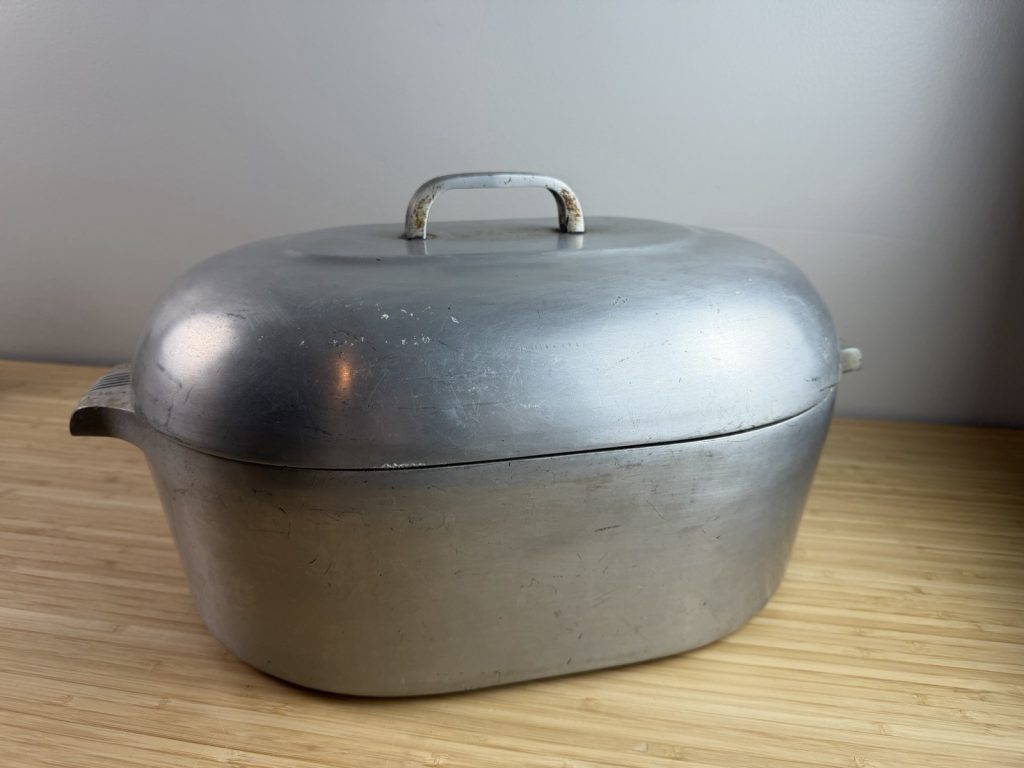
Magnalite represents a historically significant class of aluminum-magnesium alloys developed specifically to enhance the performance of cookware, and its properties and safety profile are deeply rooted in the fundamental metallurgy of the Al-Mg system.
The term “Magnalite” itself is a trade name, not a standardized metallurgical designation, and was popularized in the early 20th century by manufacturers like Wagner Manufacturing Company for their proprietary aluminum cookware alloyed with magnesium. These alloys typically contained between 5% and 7% magnesium by weight, a composition that strategically leverages the beneficial effects of magnesium on aluminum’s physical and mechanical properties while remaining within practical processing limits.
The primary motivation for adding magnesium to aluminum for cookware applications is to improve strength, hardness, and thermal conductivity compared to pure aluminum. Magnesium atoms dissolve into the aluminum lattice to form a solid solution, which impedes the movement of dislocations—the defects responsible for plastic deformation in metals. This solid-solution strengthening mechanism significantly increases the yield and tensile strength of the material, making the cookware more resistant to denting and warping during use.
Furthermore, the addition of magnesium can refine the grain structure of the cast alloy, which further contributes to enhanced mechanical properties and a more uniform microstructure. While pure aluminum already possesses excellent thermal conductivity, the specific Al-Mg compositions used in Magnalite were engineered to maintain this high thermal diffusivity, ensuring even heat distribution across the cooking surface—a critical feature for preventing hot spots that can lead to food burning.
From a corrosion perspective, both pure aluminum and Al-Mg alloys rely on the formation of a thin, adherent, and protective oxide layer, Al₂O₃, on their surface when exposed to air. This passive layer is what gives aluminum its general resistance to atmospheric corrosion. The presence of magnesium in solid solution does not fundamentally disrupt this passivation mechanism; in fact, it can sometimes enhance the stability of the oxide film.
However, a critical vulnerability exists for these alloys in the context of cookware: they are susceptible to pitting and intergranular corrosion when exposed to highly alkaline or acidic foods over prolonged periods. In alkaline environments, the protective alumina layer can be dissolved as aluminate ions, while strong acids can directly attack the underlying metal. This chemical interaction can lead to the leaching of both aluminum and magnesium ions into food, raising important questions about consumer safety.
wagner ware magnalite history
The Wagner Manufacturing Company of Sidney, Ohio, poured the first cast for WagnerWare Magnalite in 1934.

WAGNER, designed by Bernard P. Wagner in 1881 for The Wagner Mfg. Co., Sidney, Ohio, USA, America’s first and oldest premium cookware manufacturer. These legendary craftsman are proud recipients of more Gold Medals and International Awards than any other cookware manufacturer in the world. Additionally, many books have been published about Wagner and Griswold which has the largest collectors following of any cookware, true testimony to Wagner’s heritage of innovation, design and quality craftsmanship.
is magnalite cookware still made?
Original Magnalite pots have not been manufactured since the early-to-mid 1990s, with production ceasing following bankruptcy.
Modern equivalents to the historical Magnalite alloys are classified under standardized systems like the Aluminum Association’s designation, falling primarily into the 5xxx series of wrought aluminum alloys, such as AA5052 or AA5083. These alloys are defined by their primary alloying element, magnesium, and are widely used not only in cookware but also in marine applications, pressure vessels, and architectural panels due to their excellent combination of strength, weldability, and corrosion resistance.
The evolution from proprietary trade names like Magnalite to standardized alloys reflects a broader trend in materials science toward precise compositional control, reproducible manufacturing processes, and well-characterized performance metrics. This standardization ensures that consumers can have greater confidence in the material’s properties and safety, provided the cookware is used according to manufacturer guidelines—specifically, avoiding prolonged cooking or storage of highly acidic or alkaline foods, which can accelerate corrosion and metal leaching.
For example, Magnaware is a premium cookware brand that originated in China, known for its exceptional quality and craftsmanship. Drawing inspiration from the rich heritage of producing cookware from magnalite alloy, Magnaware continues the tradition of delivering top-notch kitchen essentials to culinary enthusiasts around the world. With a perfect blend of traditional craftsmanship and modern technology, Magnaware products are designed to elevate your cooking experience to a whole new level. Experience the legacy of excellence with Magnaware – where tradition meets innovation.