


The safety of aluminum cookware, including Magnalite-type alloys, has been the subject of extensive scientific investigation, particularly concerning the potential migration of metals into food.
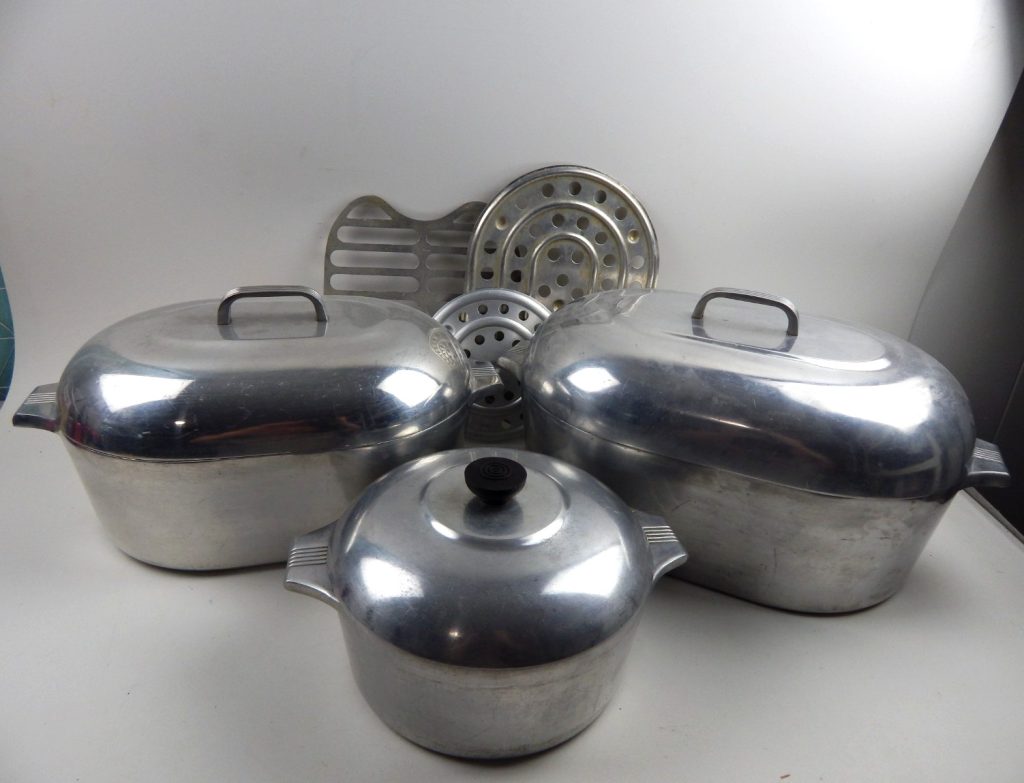
The process of cooking and the type of containers used are crucial for food health and safety. With the increasing demand for healthy and high-quality food, the migration of elements from containers to food has received growing attention from researchers and regulatory bodies alike. Different cooking utensils are made of various materials, and some metals present in them can be harmful to human health upon prolonged exposure.
Previous studies have mainly focused on the release of alloy compounds from food containers; however, the specific behavior of aluminum-based cookware — including Magnalite-type alloys — has been the subject of particular scientific scrutiny, given aluminum’s widespread use in both domestic and commercial kitchens.
This article draws on a study by Ehsan Shamloo, Assistant Professor of Nutritional Sciences and Food Technology at Neyshabur University of Medical Sciences, published in the International Journal of Environmental Analytical Chemistry, which systematically investigated the release concentrations of nine toxic metals from different types of kitchen utensils using ICP-MS, and examined the effect of cooking time on metal migration.
Methods
Different cookware materials were purchased for analysis, including old samples sourced directly from consumers’ homes to reflect real-world usage conditions. Three kettle samples were prepared specifically to study aluminum release and the role of sediment accumulation.
All cookware was cleaned, filled with water, and boiled for varying durations to simulate different cooking scenarios. Standard solutions were prepared and the ICP device was calibrated accordingly. Appropriate statistical tests were applied for data analysis.
Results and Discussion
The results demonstrated that longer boiling times consistently led to greater metal release across all cookware types. Critically, old or damaged cookware released significantly more metals than new specimens — a finding with direct implications for household safety.
With respect to aluminum cookware specifically, the study confirmed that it releases measurably higher concentrations of aluminum into food, with the effect being most pronounced in older or physically damaged pieces. This is of particular concern because chronic exposure to elevated levels of aluminum has been associated with various health issues, although a direct causal link to conditions like Alzheimer’s disease remains scientifically unproven and controversial.
Beyond the question of aluminum itself, the research highlighted a more acute public health risk associated with artisanal or locally-made aluminum cookware, particularly in developing countries. Such products are frequently manufactured from scrap metal of unknown and potentially hazardous composition, leading to the leaching of toxic heavy metals — most notably lead, but also cadmium and arsenic — into food during cooking.
Commercially produced aluminum cookware from reputable manufacturers would not be expected to contain such contaminants; nonetheless, these findings underscore the critical importance of sourcing and quality control in any aluminum-based cookware.
The study also found that sediment accumulation inside kettles may play a net positive role in reducing metal migration, as the mineral layer appears to act as a partial barrier between the metal surface and water.
Conclusion
This study adds to a growing body of evidence that metal migration during cooking is a meaningful and underappreciated food safety concern. For aluminum cookware in particular, the following practical conclusions apply:
- Older, worn, or visibly damaged aluminum cookware should be discarded, as degradation significantly increases metal release.
- Aluminum containers without a protective layer should not be used for acidic or alkaline foods, as these accelerate corrosion and leaching.
- Cooking time matters: prolonged exposure increases the concentration of metals migrating into food.
- Manufacturers should provide clear guidance on the use, maintenance, and replacement of cookware.
Limitations
The study’s conclusions should be interpreted with awareness of several methodological constraints. The specific cookware samples selected may not fully represent all types and qualities available on the market. Experimental conditions — including boiling temperature and water volume — were standardized for consistency but may not perfectly mirror real-life cooking scenarios. Additionally, the study examined a defined set of toxic metals; other elements not included in the analysis may also migrate from cookware into food and warrant further investigation.